For decades, the standard formula for life after work was simple: stay loyal to a corporation for thirty years, collect a gold watch, and coast on a guaranteed pension.
But history played out differently. Traditional pensions have vanished for the private sector, and recent data shows that the cost of a comfortable retirement has climbed. According to a landmark survey, the average target Americans believe they need has reached a staggering $1.46 million.
Worse yet, persistent inflation and systemic strain mean you cannot treat government safety nets like Social Security as a primary plan.
The reality? You are entirely on your own. But that is not a death sentence for your future—it is an invitation to build a system that works on your own terms. If you want to stop feeling behind and start building actual leverage, you need to abandon the outdated advice of the 1990s and use structural hacks designed for today’s landscape.
1. Hack the Match (The Only Real “Free Money”)
If you work a traditional corporate role or a stable corporate job, your employer likely offers a workplace retirement plan like a 401(k). The biggest mistake young earners make is viewing this as an automatic deduction that hurts their take-home pay.
You need to optimize for the employer match immediately. If your company matches up to 4% of your salary, and you only contribute 2%, you are actively turning down a 100% return on your money.
The Immediate Action Step: Log into your benefits portal today. Check your contribution percentage. If it is anywhere below the maximum employer match threshold, raise it immediately. You won’t miss the 1% or 2% shift in your weekly paycheck, but your future self will notice the compounding difference.
2. Weaponize the Roth IRA for Early Flexibility
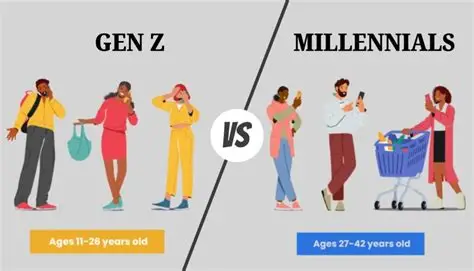
Traditional retirement planning tells you to optimize purely for upfront tax breaks. But for Millennials and Gen Z, total lockup of your capital until age 59½ feels restrictive—especially when navigating unpredictable career pivots, house hunting, or starting a business.
This is where the Roth IRA becomes a strategic tool. Because you fund a Roth with after-tax dollars, the IRS allows you to withdraw your original contributions at any time, for any reason, completely penalty-free.
While you should absolutely leave your investment earnings untouched so they can compound, knowing you can access your baseline capital in a true emergency provides a financial safety net. It eliminates the fear of “locking away” money you might need in your late 20s or 30s.
3. Understand the Brutal Math of Waiting
The greatest asset younger investors have isn’t high income—it is time. Compounding interest behaves like a snowball rolling down a mountain; the longer the slope, the massive the result. Delaying your journey by even a single decade doesn’t just cut your returns slightly; it fundamentally alters your wealth trajectory.
To illustrate how stark this reality is, let’s look at the financial trajectory of two different investors, both targeting age 60, assuming a standard 10% average annual return:
| Investor Profile | Monthly Contribution | Starting Age | Total Out-of-Pocket | Final Corpus at Age 60 |
| Early Starter (Gen Z) | $300 | Age 22 | $136,800 | $1.91 Million |
| Late Starter (Millennial) | $300 | Age 32 | $100,800 | $684,000 |
Look closely at those numbers. The Early Starter only contributed about $36,000 more out of pocket over their career, yet they ended up with over $1.2 million more in total wealth. The Late Starter can absolutely still win, but to match that same $1.91 million goal, they would have to ramp up their monthly savings from $300 to nearly $850 to make up for the lost decade.
4. Automate an “Invisible” Savings Rate
Relying on willpower to save whatever money is left at the end of the month is a losing strategy. Lifestyle creep—the natural tendency to spend more as you earn more—will quietly absorb every extra dollar.
The fix is simple: make your investing completely invisible.
Set up an automatic transfer through your banking app or investment platform to pull a fixed amount out of your checking account the exact day your direct deposit hits. If you never see the money sitting in your primary account, you won’t budget around it. You adapt your lifestyle to what remains, effectively turning saving into an automated background process.
5. Build Digital and Fractional Assets
The old-school path to wealth relied heavily on buying physical real estate early. But with current housing inventory constraints and elevated mortgage rates, buying a home has become a massive financial hurdle for younger generations.
Don’t let real estate stagnation stall your wealth creation. Instead, look to high-liquidity, low-barrier alternatives:
- Fractional Shares: You don’t need thousands of dollars to buy into high-performing index funds or major equities. Platforms now allow you to invest as little as $5 into broad-market ETFs.
- High-Yield Savings Accounts (HYSAs): Do not let your emergency fund sit in a traditional brick-and-mortar checking account earning 0.01%. Move your cash to an online banking platform offering yielding rates above 4% to protect your liquidity from being eaten alive by inflation.
Redefining the Golden Years
The traditional concept of retirement—quitting work completely at 65 to sit on a porch—is functionally dead, and that might actually be a good thing. A massive portion of Millennials and Gen Zers report that they fully expect to work during their later years, not just for survival, but to stay intellectually engaged and useful.
The goal shouldn’t be escaping productivity; the goal should be achieving Financial Independence, Retire Early (FIRE) principles. You want to reach a point where work is entirely optional, project-based, and structured on your own terms. By leveraging tax-advantaged accounts early and automating your growth, you aren’t saving for an old-age exit plan—you are buying your future freedom.

Want to Make Money From Home ?
Join 55,000+ real, remote ways to make money every week.
Good luck! I hope you find the perfect remote opportunity for your lifestyle and goals.