Investing is one of the most effective ways to build wealth and achieve financial security. Whether you’re aiming for retirement, a dream home, or simply want your money to grow, learning the basics of Forex, stocks, and bonds is a great starting point. This guide is designed for beginners, breaking down each investment type, how they work, and how you can get started—all while linking to trusted resources for deeper exploration.
Why Should You Invest?
Putting money in a savings account is safe, but with low interest rates, it often loses value to inflation over time. Investing offers the chance for higher returns, helping your money grow faster. Yes, there are risks, but with knowledge and strategy, you can manage them effectively. Let’s dive into Forex, stocks, and bonds to see how they can fit into your financial plan.
What Is Forex Trading?
The Basics
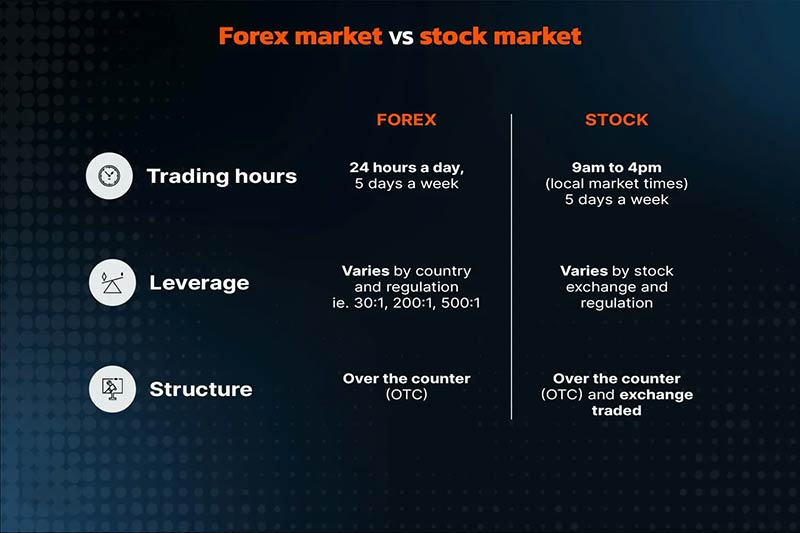
Forex (foreign exchange) is the world’s largest financial market, where people trade currencies like the U.S. dollar, euro, or yen. When you trade Forex, you’re speculating on whether one currency will rise or fall against another—like buying British pounds with U.S. dollars, hoping the pound strengthens.
How It Works
Forex trades happen in currency pairs (e.g., EUR/USD). Prices shift based on global factors like interest rates or political events. Traders often use leverage, borrowing money to control larger trades, which can magnify both profits and losses.
Pros and Cons
- Pros: Open 24/5, highly liquid, accessible to beginners via online platforms.
- Cons: High volatility and leverage make it risky—losses can exceed your initial investment.
Curious? Learn more at Investopedia’s Forex Basics.
What Are Stocks?
The Basics
Stocks are shares of ownership in a company. Buy a stock—like Apple or Amazon—and you own a tiny piece of that business. If the company grows, so does the value of your shares.
How It Works
Stock prices fluctuate based on company performance, market trends, and investor confidence. You can earn money through capital gains (selling at a higher price) or dividends (profit payouts). You can buy individual stocks or diversify with mutual funds or ETFs.
Pros and Cons
- Pros: Potential for high returns, especially long-term.
- Cons: Prices can drop suddenly due to market swings or company struggles.
Get started with NerdWallet’s Stock Guide.
What Are Bonds?
The Basics
Bonds are like IOUs. You lend money to a government or company, and they pay you interest over time, returning your investment when the bond matures.
How It Works
You buy a bond and receive coupon payments (interest) periodically. At maturity, you get your initial investment back. Options include government bonds (low risk), corporate bonds (higher yield, more risk), and municipal bonds (tax benefits).
Pros and Cons
- Pros: Predictable income, lower risk than stocks.
- Cons: Returns are modest, and rising interest rates can reduce bond values.
Explore bond details at FINRA’s Bond Guide.
Comparing Forex, Stocks, and Bonds
- Risk Level: Forex and stocks are riskier but offer higher rewards; bonds are safer with steady, smaller gains.
- Timeframe: Forex suits short-term traders, stocks fit medium- to long-term goals, and bonds are often long-term.
- Income: Forex and stocks provide growth potential; bonds deliver fixed income.
Mixing all three can balance risk and reward in your portfolio.
Getting Started: A Step-by-Step Guide
- Set Goals: Decide if you want growth (stocks/Forex) or income (bonds), and assess your risk comfort.
- Pick a Platform: Try EXNESS for Forex, or Fidelity for stocks and bonds.
- Research: Study markets or start simple with index funds or Treasury bonds.
- Invest: Begin with a small sum—many platforms allow $10 or less to start.
- Track Progress: Review your investments occasionally, but think long-term.
Beginner Tips
- Go Slow: Test the waters with a small investment.
- Diversify: Don’t put all your money in one place.
- Stay Educated: Use free resources like Khan Academy’s Investing Lessons.
Final Thoughts
Forex, stocks, and bonds each offer unique opportunities to grow your wealth. Start with what matches your goals and risk tolerance, and build from there. The key is to begin—your financial future is waiting!